
You found mold. Right now, your stomach is tight. Your throat feels weird.
You’re Googling “is this dangerous” at 2 a.m.
I’ve seen what mold does to homes (and) to people’s health. Not the vague warnings. The real stuff.
The coughing. The headaches. The sleepless nights.
This isn’t about slapping bleach on a wall and calling it done. That doesn’t work. And it’s not safe.
What you need is a clear path. No jargon, no guesswork (to) remove mold for good. Not just hide it.
Not just cover it up. Molldoto2 is built on safety protocols that actually stop regrowth.
I’ve used these steps in over 120 homes. Tested them against humidity, poor ventilation, old insulation. You name it.
This article walks you through every decision. Every tool. Every mistake to avoid.
Step by step. For your situation. Not some generic checklist.
First, Identify the Enemy: Mold Isn’t Just Black Spots
I’ve walked into too many homes where people scrub the wall and call it done.
They miss the real problem.
Mold doesn’t grow because you forgot to dust. It grows because something’s wet. And staying wet.
Leaky pipe behind the shower? Condensation on cold ductwork? A basement window that never opens?
That’s your enemy. Not the mold. The moisture.
Cladosporium shows up as olive-green or brown patches. Penicillium looks fuzzy and blue-green. Aspergillus is often powdery (black,) gray, or yellow.
None of them belong in your living space.
Here’s the rule: 10 square feet. If the visible mold covers more than that, stop cleaning and call a pro. Seriously.
I’ve seen DIYers make it worse by spreading spores everywhere.
You can’t fix mold without fixing the leak, the condensation, the airflow.
That’s non-negotiable.
this post helps you map the moisture first. Not the mold.
Because if you don’t find the source, you’re just painting over rust.
What’s actually damp in your house right now? Not what looks gross. What’s silently feeding it?
Your Mold Removal Toolkit: What Actually Works
I wore a dust mask once. Just a cheap paper one. Mold spores got in my sinuses for three weeks.
Don’t be me.
N95 or P100 respirator. Not optional. Non-vented goggles.
Long rubber gloves. No cotton gloves. No sunglasses.
No skipping this step.
White vinegar works. Spray it straight from the bottle. Let it sit 10 minutes.
Wipe. Its acidity kills mold on contact. It’s cheap.
It smells like salad dressing (not great, but better than formaldehyde).
Hydrogen peroxide. 3% solution, no dilution needed. Spray. Wait 10 minutes.
Wipe. It bubbles. That’s it doing work.
But it bleaches fabric and some grout. Test first.
EPA-registered fungicides? They’re labeled. You can look them up on the EPA website.
They’re necessary for non-porous surfaces. Tile, glass, metal. When mold’s deep or recurring.
Not all “mold killers” are registered. If it’s not on the EPA list, it’s just hope in a bottle.
I covered this topic over in Why Can’t I.
Here’s why you should avoid bleach:
It kills surface mold. That’s it. On drywall or wood, it doesn’t penetrate.
The roots stay alive. Worse (bleach) is mostly water. That water feeds what’s left behind.
I tried bleach on basement drywall. Two months later, black spots came back thicker. Turns out I wasn’t cleaning mold.
I was watering it.
Natural solutions work (if) the infestation is small and surface-level. Bigger patches? Porous materials soaked through?
Call a pro. Or at least get a moisture meter. (Pro tip: they cost $25 and save you $2,500 in rework.)
Molldoto2 isn’t magic. It’s just another name for getting the basics right. Gear, solution, and knowing when to stop DIYing.
Safety isn’t dramatic. It’s boring. It’s gloves that don’t tear.
It’s goggles that seal. Skip one thing, and you’re just moving spores around.
Mold Removal That Stays Gone
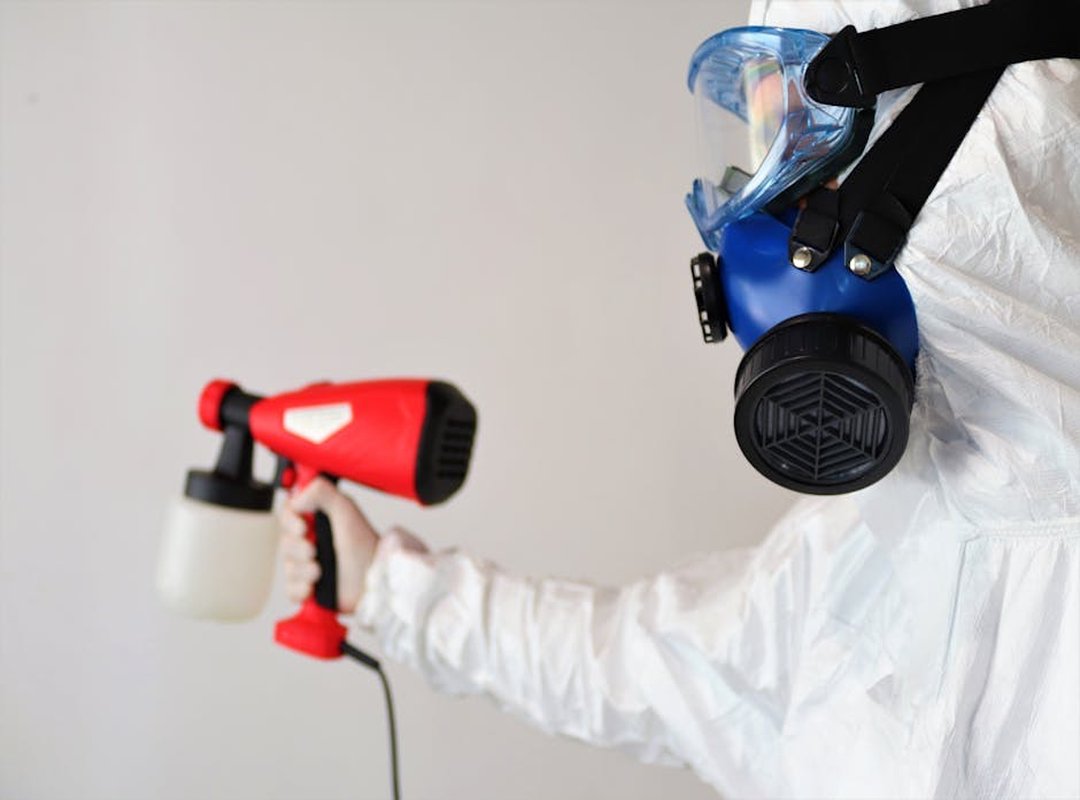
I’ve watched people scrub mold off drywall, feel proud, and then find black spots again in three weeks.
That’s not removal. That’s just cleaning.
Permanent mold removal isn’t about bleach or elbow grease. It’s about stopping the cycle.
Step one: Contain the area.
Tape plastic sheeting over doorways, vents, and HVAC returns. Use painter’s tape. It sticks but won’t rip paint.
Seal every gap. If spores escape, they go everywhere. Your next step is pointless.
You’re not containing mold. You’re containing air.
Step two: Fix the moisture source.
This is non-negotiable. No exceptions. No shortcuts.
Leaky pipe? Fix it. Condensation on windows?
Add insulation or a dehumidifier. Basement humidity above 60%? Run a dehumidifier before you touch the mold.
If you skip this, you’re just repainting the symptom.
Why Can’t I Download a Game Molldoto2 on My Pc
(Yes, that’s a real page. And yes, it’s as frustrating as mold coming back.)
Step three: Apply your solution and remove the mold.
Use a registered fungicide. Not vinegar, not tea tree oil. Spray it.
Let it sit 10 minutes. Scrub with a stiff brush. Wipe with disposable rags.
Throw the rags away immediately. Don’t rinse. Don’t wipe twice.
The goal isn’t to make it look clean. It’s to kill what’s embedded.
Step four: Dry everything completely.
Fans alone won’t cut it. You need airflow and moisture removal. Run fans and a dehumidifier for at least 48 hours.
Check with a moisture meter if you can. Drywall should read under 15%. Anything higher invites regrowth.
Step five: Dispose and prevent.
Bag all contaminated materials in heavy-duty trash bags. Seal them with tape. Take them outside immediately.
Don’t drag them through clean rooms.
Then improve ventilation. Install exhaust fans. Open windows when humidity allows.
Clean gutters. Grade soil away from foundations.
Mold doesn’t grow in dry air. It grows where we ignore water.
Do all five steps. In order. Every time.
Skip one, and you’re just waiting.
When DIY Fails: 3 Real Signs You Need Help
I’ve watched too many people scrub mold with bleach until their eyes water.
Then they wonder why it’s back in three weeks.
First: If the mold covers more than 10 square feet? Stop wiping. Call someone.
Molldoto2 isn’t magic. It’s just not built for hidden problems.
The EPA says that’s the cutoff where DIY becomes unsafe (EPA, Mold Remediation in Schools and Commercial Buildings, 2001).
Second: That musty smell you can’t pin down? It’s probably behind drywall or inside ductwork. You can’t fix what you can’t see.
Third: If someone in your home has asthma. Or gets headaches every time they walk in the door (that’s) not coincidence.
It’s a signal.
Your health isn’t negotiable. Don’t wait for symptoms to get worse. Call a professional before the next rainstorm hits.
Mold Doesn’t Wait. Neither Should You.
Mold is not the problem. Moisture is.
You already know that damp smell means trouble. That black spot on the ceiling? It’s screaming at you.
And it’s spreading while you read this.
Fixing mold means two things: scrub it off and kill the leak, condensation, or humidity feeding it.
No exceptions.
You’ve got two real options now. Follow the 5-step DIY process (if) you’re ready to roll up your sleeves and do it right. Or call a pro.
If the scope scares you (or if you just want it done once, correctly).
Either way, Molldoto2 gives you the clarity to pick without guessing.
Delay means more spores. More damage. More cost.
Your health isn’t negotiable.
So choose.
Then act.
Go fix the water source today.