
Cross-platform play is no longer a bonus feature—it’s becoming the standard in modern gaming. Players want the freedom to compete with friends on any device, carry progress across systems, and invest in ecosystems that won’t lock them in. If you’re searching for a clear breakdown of cross-platform gaming benefits, this article delivers exactly that—cutting through marketing claims to explain what truly matters for players, competitive gamers, and the industry as a whole.
We analyze current game mechanics, esports developments, hardware optimization trends, and real-world player experiences to give you an accurate, up-to-date perspective. Backed by deep research into multiplayer infrastructure, performance balancing, and competitive integrity, this guide explores how cross-platform functionality impacts matchmaking, skill ceilings, community growth, and long-term game viability.
By the end, you’ll understand not just why cross-platform gaming is expanding, but how it directly affects your gameplay experience, competitive edge, and investment in today’s evolving gaming landscape.
A Larger Pond: The Power of a Unified Player Base
As players enjoy the freedom of cross-platform play, understanding how to optimize their gaming experience through articles like “Lcfgamestick Resolution Settings” becomes increasingly important to enhance performance across different devices.
If you’ve ever bought a multiplayer game only to realize your friends are on different consoles, you already understand the problem. A unified player base fixes that immediately.
Eliminating Friend Fragmentation
The biggest win is simple: you can squad up regardless of platform—PlayStation, Xbox, PC, or Switch. No more maintaining multiple copies of the same game or convincing someone to “just switch consoles.” Your friend list becomes your actual friend list.
This is one of the clearest cross-platform gaming benefits, and it directly solves a real frustration players face every week.
Drastically Reduced Wait Times
When all platforms share matchmaking, queues shrink fast.
- Lobbies fill quicker
- Niche modes stay active
- Late-night sessions become viable
Instead of staring at a spinning icon (we’ve all been there), you’re loading into matches.
Improved Match Quality
A larger pool allows skill-based matchmaking (SBMM)—systems that group players by ability—to work better. With more players at every skill tier, you’re less likely to face wildly uneven matches. Beginners avoid getting steamrolled. Veterans find real competition.
Increased Game Longevity
Smaller platform communities often fade first. A unified ecosystem keeps populations stable, meaning:
- Ongoing developer support
- Healthier esports scenes
- Longer-lasting content cycles
In short, a bigger pond means more fish—and better fishing for everyone.
Your Progress, Your Purchases: True Account Portability
First, let’s clear up a term that gets thrown around a lot: cross-progression. Simply put, it means your game progress—levels, unlocked characters, completed campaigns, and earned rewards—travels with you across different platforms. Start on a PlayStation, continue on a PC, and finish on an Xbox without losing a thing. Think of it like cloud storage for your gaming life (because replaying 60 hours of story mode is nobody’s idea of fun).
In addition, there’s the financial side. When players buy cosmetics, battle passes, or in-game currency, that money is an investment in their account. Without portability, those purchases are tied to hardware. With it, they’re tied to you. Buy a rare skin on PC, and it’s waiting when you log in on console. That’s one of the biggest cross-platform gaming benefits—and it protects both time and money spent.
Some argue this system is complicated to manage or risky for developers. While there are technical hurdles, modern account systems and cloud syncing have made it far more practical than critics suggest.
As a result, players gain real freedom. Upgrade your PC or switch consoles without sacrificing progress. Ultimately, this player-first design is quickly becoming the industry standard—and once you experience it, there’s no going back.
Elevating Competition: A Single, Definitive Skill Ladder
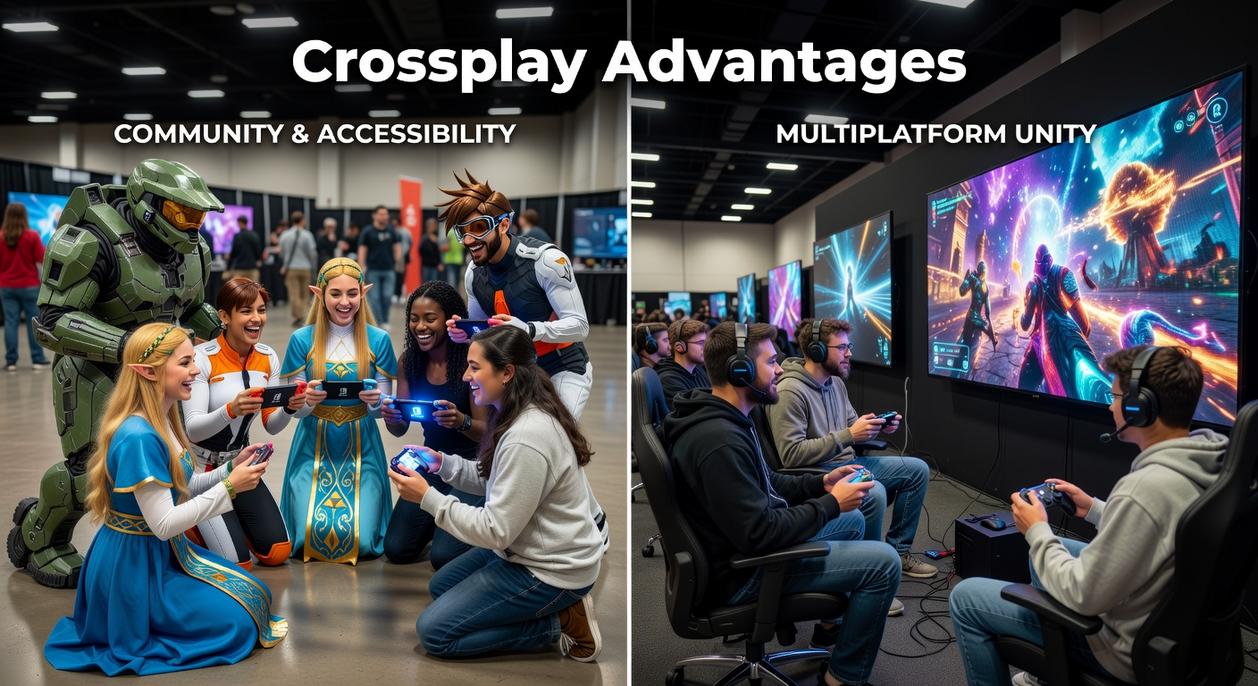
When cross-play unites platforms, ranking finally means what players think it means. The top competitor isn’t just the best on console or PC—they’re the best, period. That’s the power behind cross-platform gaming benefits: one global ladder, one measurable standard.
In practice, this reshapes competitive integrity. For example, consider a battle royale with separate console and PC leaderboards. A player dominating on console might never test their skills against elite mouse-and-keyboard users. Merge the pools, however, and you get a clearer skill distribution (and fewer “what if” debates in Discord threads).
At the tournament level, organizers gain a deeper talent pool. Instead of scouting regionally and by platform, they can analyze unified rankings, scrim data, and cross-play performance metrics. If you’re aspiring to compete, here’s a practical step: enable cross-play in ranked modes, review match replays weekly, and track performance against higher-tier players. Improvement accelerates when the bar is higher.
Of course, critics argue controller vs. mouse creates imbalance. That’s valid. Modern solutions include input-based matchmaking (grouping players by control type), calibrated aim assist, and even platform-specific brackets in major events. If fairness concerns you, start by checking your game’s matchmaking settings and testing both input queues.
And as infrastructure evolves—see how https://genrodot.com/cloud-gaming-explained-is-streaming-the-future/—the competitive ladder may soon be entirely hardware-agnostic.
The Developer and Publisher Advantage
For studios weighing the leap into cross-play, the payoff goes far beyond player goodwill. A unified ecosystem streamlines operations and strengthens long-term profitability.
Simplified development cycle sounds counterintuitive at first. Yes, initial integration is complex. But maintaining one synchronized build instead of juggling multiple fragmented versions reduces patch errors, certification delays, and duplicated QA testing. Over time, that efficiency compounds.
Then there’s market expansion. Games offering cross-platform gaming benefits remove a key hesitation buyers have: “Will my friends be on?” When players know they can squad up regardless of device, purchase friction drops (no one wants to be the lone hero on an empty server). Larger pools mean stronger launch numbers and longer sales tails.
Community health improves as well:
- Unified matchmaking pools reduce wait times
- Broader data improves balance decisions
- Centralized moderation strengthens safety
Pro tip: Plan backend scalability early. Retrofitting servers later is far costlier than designing for growth from day one.
Level Up Your Next Match
You came here to understand how modern gaming trends, smarter mechanics, and competitive strategies can give you a real edge. Now you’ve seen how optimizing your setup, refining your approach, and leveraging cross-platform gaming benefits can directly impact your performance and overall experience.
The frustration of lag, unbalanced loadouts, and missed competitive opportunities doesn’t have to hold you back anymore. When you understand the systems behind the game, you stop reacting—and start controlling the outcome.
Take what you’ve learned and apply it. Fine-tune your gear. Adjust your strategy. Explore cross-platform play to widen your competition and sharpen your skills. Stay ahead of patches, meta shifts, and esports insights so you’re never caught off guard.
Ready to dominate instead of just participate? Dive deeper into advanced guides, stay updated on emerging trends, and start optimizing your gameplay today. The next win is within reach—make your move now.