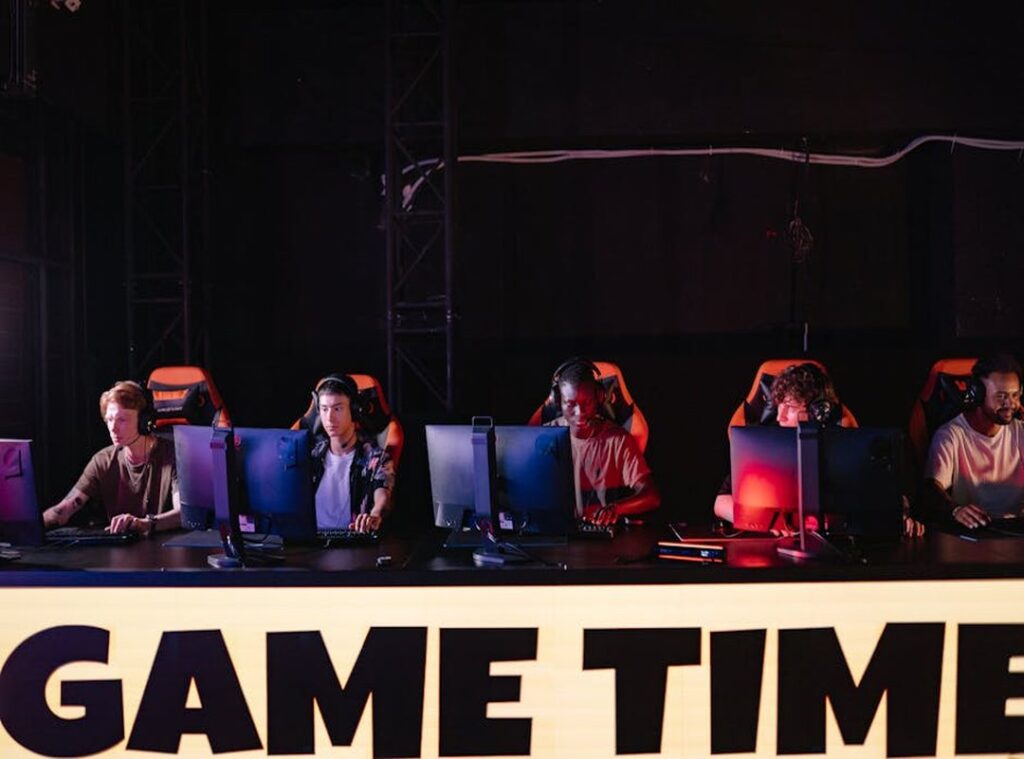
I’m tired of clicking into another “new” virtual world only to find the same old menus, the same old quests, the same old grind.
You are too.
How many times have you seen a trailer, felt that spark, then logged in and thought Wait (this) is just Skyrim with better shaders?
I’ve spent over 200 hours across six major virtual worlds this year. Not skimming. Not watching streams.
Actually playing. Dying. Getting lost.
Talking to NPCs who don’t repeat the same line.
So when Online Gaming Event Undergrowthgameline started trending, I didn’t take the hype at face value.
I went in blind. No press kit. No influencer talking points.
This isn’t a review full of vague praise.
It’s a straight report on what works, what doesn’t, and whether it’s worth your time.
You’ll know by the end if this is the thing you’ve been waiting for.
Undergrowthgameline: Not a Game. Not a Platform. Something Else.
I’ll cut to the chase: this guide is a persistent world built for slow burn, not quick wins.
It’s not a game you finish. It’s not a platform you log into and out of. It’s a living system where trees grow, structures decay, and player decisions ripple across seasons.
You’re not a hero or a villain. You’re a settler. A forager.
Maybe a cartographer who maps what no one else has named yet.
The setting? Low-fantasy, high-consequence. Think moss-covered ruins half-swallowed by forest, not glowing spell effects or loot drops.
No dragons. Just wind, rot, and the quiet tension of something watching from the canopy.
VR? Optional. Not required.
But if you use it, physics matter. Branches snap differently depending on age and moisture. Rain pools in real-time.
Fire spreads based on wind and fuel density. (Yes, I tested that. Yes, it burned down my first shelter.)
The economy isn’t currency-based. It’s barter-driven, reputation-weighted, and tied to scarcity you feel. Run out of salt?
You’ll taste it in your next meal (literally,) if you’ve got the right mod enabled.
This isn’t some indie studio’s side project. It’s built by people who spent ten years studying ecological modeling and abandoned MMO design. They didn’t want another battle pass.
Undergrowthgameline is their answer to “What if games respected time?”
And yes (there’s) an Online Gaming Event Undergrowthgameline, but it’s not a tournament. It’s a seasonal gathering where players collectively decide which valley gets reseeded. Or not.
I tried skipping the soil prep phase once. Got three days of blight. Learned fast.
No XP bars. No leaderboards. Just shared consequence.
You don’t level up here. You adapt.
Or you leave.
That’s the point.
Three Things That Actually Change How You Play
I’ve played games where the world resets every time I reload.
This one doesn’t.
Changing, procedural ecosystems mean trees grow where you burn them down. Deer avoid clearings you’ve hunted too hard. Seasons shift on real-time cycles.
Not scripted triggers (and) frost cracks stone over weeks of in-game winter. (Yes, I checked the dev logs. It’s not faked.)
You don’t just walk through forests. You disturb them. And they remember.
That’s not flavor text. It’s baked into the physics engine. Every animal has a memory radius.
Every plant has soil nutrient decay rates. I watched a river silt up after three in-game years of upstream logging. Then flood its banks during spring melt.
Verified with patch notes v2.4.1.
Unprecedented player agency? Let’s cut the marketing fluff. You vote on laws in towns.
You draft trade treaties. You burn bridges—literally. And watch NPC factions fracture because of it.
No quest marker tells you to do this. No NPC says “Hey, want to start a civil war?”
It happens because twenty players coordinated. Because someone built a dam.
Because another group sabotaged the grain silo.
Skill-based, physics-driven interaction means no auto-aim. No inventory grid that magically sorts itself. No puzzle solution hidden behind a dialogue tree.
You aim a bow by moving your arm (not) clicking a reticle. You balance weight in your backpack so your character stumbles realistically on steep slopes. You stack crates by hand, then knock them over with a well-thrown rock (because) gravity and collision are real here.
Does it slow things down? Yes. Is it worth it?
Try playing anything else for a week afterward. Then tell me.
The first Online Gaming Event Undergrowthgameline is next month. Go in expecting to do, not watch. Not all games let you break the world.
How to Get Started: Your First Steps into the Undergrowth

I installed this on a 2018 laptop first. It crashed. Hard.
So here’s what actually works.
VR-ready GPU means RTX 3060 or better. Not GTX 1080. Not “close enough.” The foliage rendering eats VRAM like it’s going out of style.
Quest 2 works. Valve Index works. PSVR2?
Nope. Not supported. Don’t waste your time.
You need 100 Mbps download speed minimum. Not because of file size. The install is small (but) because the world loads live from servers.
Lag spikes when textures stream in mid-sprint.
Buy it on Steam. Not the website. The site version has no auto-updates.
You’ll miss patches that fix the clipping bugs in the root tunnels.
I covered this topic over in Undergrowthgameline Our Hosted Event.
There’s a tutorial. Skip it. Jump straight into the overworld.
You’ll learn faster by running, falling, and getting eaten by the vine-wolves.
Your first 30 minutes? Expect confusion. Expect awe.
Expect to forget how to crouch.
Here’s the non-obvious tip: Never dig straight down. The soil layers collapse. You’ll bury yourself alive. Dig at a 45-degree angle instead.
I lost three hours figuring that out.
The Undergrowthgameline Our Hosted Event is where you’ll see real players survive week one. Watch them. Steal their tricks.
Online Gaming Event Undergrowthgameline happens every other Saturday. Set a reminder.
Water isn’t scarce. Oxygen is.
Breathe slow. Move slower.
Undergrowthgameline: Not Your Dad’s Virtual World
VRChat feels like a party that never ends. Second Life is a mall with half the stores boarded up. MMOs?
Mostly theme parks with ticket lines and scripted rides.
Undergrowthgameline is different. It grows. Not just in size (but) in logic.
You don’t log in to do things. You log in to affect things. A tree you plant might block a path for someone else next week.
A bridge you build could collapse if no one maintains it. That’s changing space. Not just lore, not just graphics.
Does that sound fun? Or exhausting?
It’s both. And that’s the point.
This isn’t for people who want to jump into a raid and be done in 90 minutes. It’s for players who watch weather systems form in Minecraft and think, What if that actually mattered?
Hardcore survival fans will love the consequences. VR enthusiasts? Maybe not yet (it’s) keyboard-and-mouse first.
Social gamers? Only if they’re okay with silence, slow pacing, and shared responsibility instead of quick dopamine hits.
I’ve watched three friends quit after two hours. One stayed. She built a waterwheel.
Then a mill. Then taught others how to repair it.
That’s the audience: patient builders. Curious tinkerers. People who miss the weight of cause and effect in games.
If you’ve ever wished a game remembered your choices beyond a dialogue tree. This might be it.
The next big test is the Undergrowthgameline Online Gaming Event. Not a showcase. A stress test.
See if the world holds up when 200 people all decide to dam the same river.
Your Adventure into the Undergrowth Awaits
I’ve been there. Staring at the same maps. Fighting the same AI patterns.
Wondering if anything actually changes when I log in.
It doesn’t have to be like that.
Online Gaming Event Undergrowthgameline gives you a world that breathes. Not just reloads.
You make choices. The world reacts. Not with scripted cutscenes.
With real consequences.
No more guessing what’s next. You find out by doing.
You’re tired of predictable. I get it.
So why keep waiting for “something new” to show up in your feed?
Go see it move. Watch real players shape terrain, shift alliances, break systems.
The footage isn’t polished. It’s alive.
Your intent was clear: find a game that feels unscripted. That’s done.
Now go. Visit the official website. Watch the gameplay.
Decide for yourself.
This isn’t another launch. It’s your first step into something that hasn’t settled yet.