
Gaming evolves fast—and whether you’re debating mechanics, optimizing your setup, or tracking the latest esports meta, staying informed is the difference between playing and truly competing. If you’re here, you’re likely looking for clear, practical insights that cut through hype and get straight to what actually impacts performance, strategy, and long‑term enjoyment.
This article breaks down the topic with a focus on real in‑game application, current competitive trends, and the underlying mechanics that shape outcomes. We analyze gameplay systems, community data, and high‑level competitive strategies to ensure the insights here aren’t just opinions—they’re grounded in how the game is actually being played today.
Whether you’re exploring the nuances of casual vs hardcore gamers, refining your loadout, or adapting to shifting metas, you’ll find actionable takeaways designed to sharpen your understanding and elevate your play. Let’s dive into what matters—and why it gives you an edge.
Beyond Casual vs. Hardcore: What Defines a Gamer Today?
That old debate about casual vs hardcore gamers feels outdated. Gaming isn’t a two-lane road; it’s a sprawling open world. Some players log in after work to unwind (digital bubble bath included). Others study patch notes like they’re prepping for finals.
Engagement today is about motivation and investment—time, skill, money, even identity. A parent squeezing in Fortnite matches on weekends may care as deeply as a ranked grinder chasing esports glory.
Think of it like the Avengers: different powers, same universe. Labels simplify. Behavior tells the real story. Every playstyle matters.
The Casual Gamer: Play as a Pastime
First things first, a casual gamer is someone who treats gaming like a coffee break, not a career move. The mindset is simple: games are accessible, relaxing, and entertaining—but they’re just one hobby among many. Think of it less like training for the esports finals and more like rewatching an episode of The Office for comfort.
So, what motivates them? Usually three things:
- Killing time — a quick round of Candy Crush during a commute or while waiting for food delivery.
- Social connection — a few Mario Kart races with friends, complete with playful trash talk.
- Stress relief — tending an island in Animal Crossing after a long day (because shaking virtual trees is cheaper than therapy).
In contrast to casual vs hardcore gamers, the casual crowd rarely schedules play sessions. Their habits are short and sporadic—ten minutes here, twenty there. Mobile devices dominate because they’re convenient, though consoles with easy setup also make the cut. The key factor is a minimal learning curve. If a tutorial feels like homework, interest fades fast.
Game preferences lean toward puzzle games, party titles, social simulations, and hyper-casual mobile hits. These games prioritize intuitive mechanics—simple rules that are easy to grasp but still satisfying (that sweet dopamine hit when the puzzle pieces click into place).
Some critics argue this approach lacks depth. However, accessibility is the point. Not everyone wants a 40-hour epic; sometimes, you just want a quick win before the next meeting starts. And honestly, that’s perfectly valid.
The Dedicated Gamer: Play as a Passion
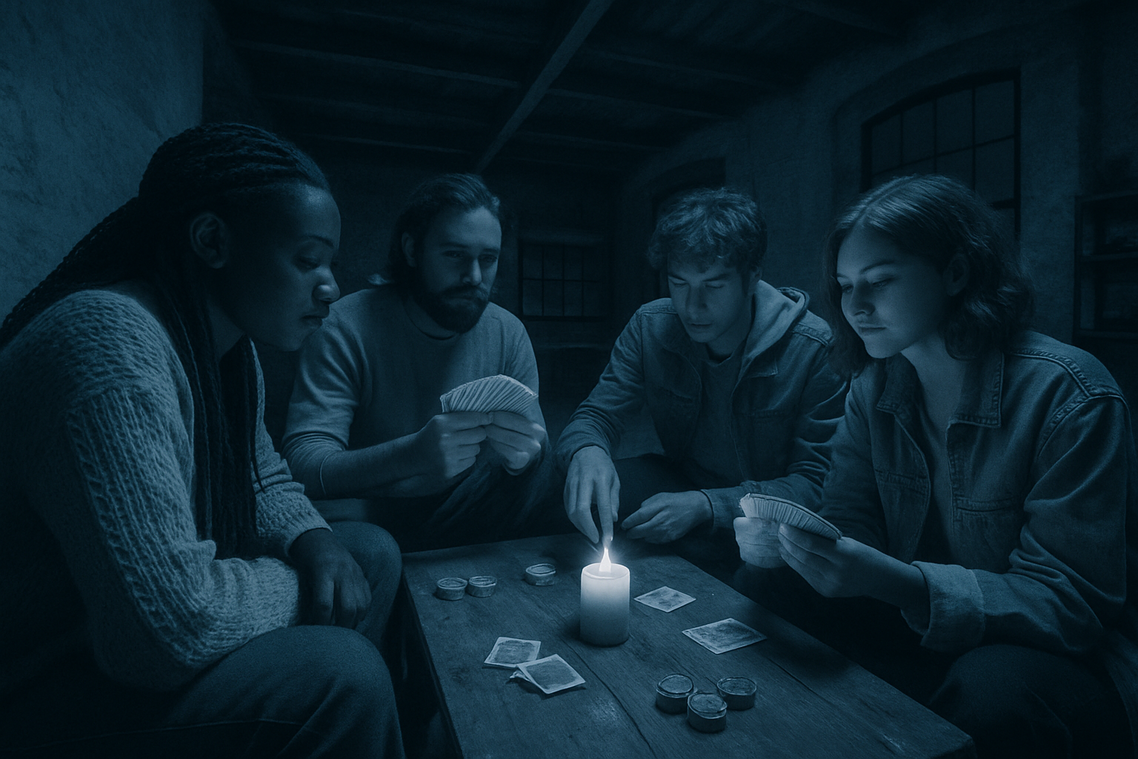
To me, a dedicated gamer isn’t just someone who plays a lot—it’s someone who treats gaming like a craft. Mastery matters. Competition matters. Deep immersion matters. This mindset revolves around deliberate practice, which means intentionally refining specific skills instead of just playing on autopilot (yes, button-mashing doesn’t count).
Naturally, the motivations go beyond “having fun.” Dedicated players chase higher ranks in Valorant or League of Legends, grind endgame raids in World of Warcraft, and dissect layered narratives in Elden Ring. They study patch notes the way others read morning news. Some critics argue this intensity “kills the joy.” I disagree. For many, improvement is the joy. The climb, the near-miss, the eventual win—that’s the hook.
Play habits reflect that commitment. Sessions are planned, sometimes stretching for hours. Hardware is optimized: mechanical keyboards, high-refresh monitors, custom controllers. It’s not about flexing gear; it’s about reducing input lag and maximizing consistency. (Pro tip: even adjusting in-game sensitivity can dramatically improve performance over time.)
Game choice also reveals priorities. Competitive titles, MMOs, complex strategy games like Civilization—these reward patience and analysis. Understanding mechanics becomes part of the experience, which is why diving into resources like understanding core game loops the foundation of great design helps players see why certain systems feel so compelling.
The real divide isn’t skill—it’s intention. In debates about casual vs hardcore gamers, I think the difference comes down to depth of engagement. Dedicated gamers choose depth. And honestly? That level of passion is what keeps the industry innovating.
A Head-to-Head Comparison: Key Differentiators in Engagement
When comparing casual vs hardcore gamers, the gap isn’t just about skill—it’s about motivation. Casual players typically chase relaxation and quick bursts of satisfaction. Think of the dopamine loop (the brain’s reward cycle triggered by small wins) you get from clearing a puzzle level in five minutes while waiting for coffee. It’s light, immediate, and low-pressure. Dedicated players, on the other hand, often crave mastery. They’ll grind ranked ladders for hours for the thrill of a hard-fought victory. In my view, that earned win feels different—closer to finishing a marathon than solving a crossword.
Then there’s time and money. Casual players usually stick to free-to-play titles or a single upfront purchase. They dip in and out. Dedicated players? They’re more likely to invest in battle passes, cosmetic skins, expansions, and even high-refresh monitors or mechanical keyboards. Some argue that spending heavily creates a pay-to-win imbalance. I partially agree. However, most competitive games now monetize cosmetics rather than power, which shifts spending toward personalization rather than dominance.
As for mechanics, accessibility is key for casual audiences. Intuitive controls and simple systems lower the barrier to entry (no one wants homework after work). Dedicated players, by contrast, enjoy complexity. They’ll study frame data in fighting games (frame data refers to the exact timing of moves measured in animation frames), optimize character builds, and theorycraft strategies like they’re solving a meta puzzle. Frankly, I admire that depth—it’s chess with better graphics.
Finally, community interaction differs sharply. Casual players often stick to familiar friends. Dedicated players branch out into Discord servers, Reddit threads, and forums to debate strategy, dissect patch notes, and trade lore theories. And honestly, that shared obsession? It’s part of the magic.
Every Player Has Their Place
As we’ve seen, the real difference isn’t about which type of gamer is better. It’s about the why and how behind their engagement. Some play to unwind after work; others grind ranked ladders like it’s an Olympic sport (and sometimes treat it that way).
The industry thrives on this spectrum. From story-driven explorers to speedrunners chasing frame-perfect inputs, every style fuels design choices, updates, and esports scenes. The debate around casual vs hardcore gamers misses the bigger point: both shape the ecosystem.
- Know your motivation.
- Choose communities that match your goals.
Understanding your habits helps you find better games—and better experiences.
You came here to better understand the evolving landscape of gaming—from mechanics and esports strategies to gear optimization and industry shifts. Now you have a clearer picture of how these elements shape performance, competition, and overall enjoyment.
Whether you’re navigating casual vs hardcore gamers debates or refining your loadout for a competitive edge, the real challenge is staying ahead in a space that changes fast. Falling behind on trends, strategies, or optimized setups can cost you wins, rankings, and momentum.
The good news? You don’t have to figure it out alone.
Level Up Your Game Today
If you’re serious about improving your gameplay, sharpening your strategy, and making smarter gear decisions, now’s the time to act. Dive deeper into expert breakdowns, stay updated on emerging esports tactics, and apply proven optimization strategies that top players rely on.
Thousands of competitive and everyday players trust our insights to stay ahead of the curve. Don’t let outdated tactics hold you back—explore the latest guides, refine your setup, and start winning smarter today.