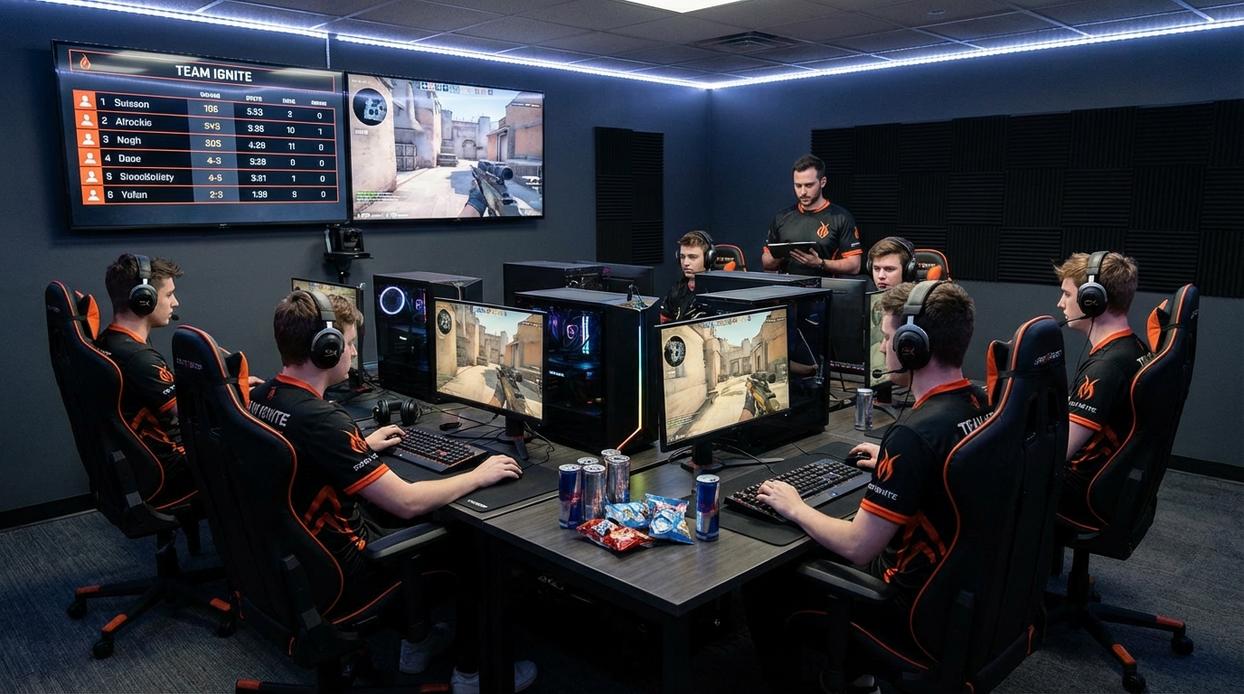
Going from high scorer to true professional requires more than grinding ranked matches. Most talented players hit a plateau because they practice without structure, repeating the same habits without measurable growth. This guide delivers a proven esports training routine designed to break that cycle. Built from years of analyzing professional gameplay, scrim data, and the core habits that separate elite competitors from the rest, this blueprint gives you a clear, phase-by-phase system. You’ll follow a structured plan covering mechanics, strategy, and mental conditioning—so every session builds consistency, discipline, and the performance standards required at the professional level.
Phase 1: Forging Foundational Mechanics
At this stage, you’re building what pros call mechanical consistency—the ability to execute core actions without conscious thought. Think of it like learning guitar: first the scales, then the solos. Raw instinct comes from repetition done correctly, not just grinding matches.
Aim & Dexterity Drills (100 words)
Start with a structured 30–45 minute daily warm-up. Use tools like KovaaK’s or Aim Lab to isolate three core skills: tracking (following a moving target smoothly), flicking (rapid snapping between targets), and micro-adjustments (tiny corrections before firing). For example, run a 10-minute tracking scenario with varied strafe speeds, then 15 minutes of small-target flick drills, finishing with precision micro-correction tasks. Transition into your game’s practice range to replicate recoil patterns and real hitboxes. This layered approach mirrors an effective esports training routine—isolated reps first, contextual reps second. Consistency beats intensity (yes, even on days you feel cracked).
Movement Mastery (75 words)
Next, refine movement as a tactical weapon. Strafe-jumping (chaining directional jumps for speed), slide-canceling (resetting sprint momentum), and leveraging peeker’s advantage (seeing opponents milliseconds earlier due to server latency) should be drilled in empty lobbies. Repeat entry paths 20–30 times until routes feel automatic. Gradually add bots or teammates to simulate pressure. Movement isn’t travel—it’s positioning leverage.
Reaction & APM Training (75 words)
Finally, sharpen reaction time and effective APM (actions per minute)—meaning purposeful inputs, not button mashing. Use tools like Human Benchmark for baseline reaction speed, then practice in-game clutch simulations. Focus on reducing hesitation between seeing and acting. Some argue reaction time is purely genetic. However, studies show consistent training improves response speed and neural efficiency (Frontiers in Human Neuroscience, 2015). Efficiency wins fights—not frantic spamming. Once mechanics stabilize, integrate them into broader strategy and review your team communication tactics for high pressure matches (https://genrodot.com/team-communication-tactics-for-high-pressure-matches/).
Phase 2: Architecting Game Sense and Strategy
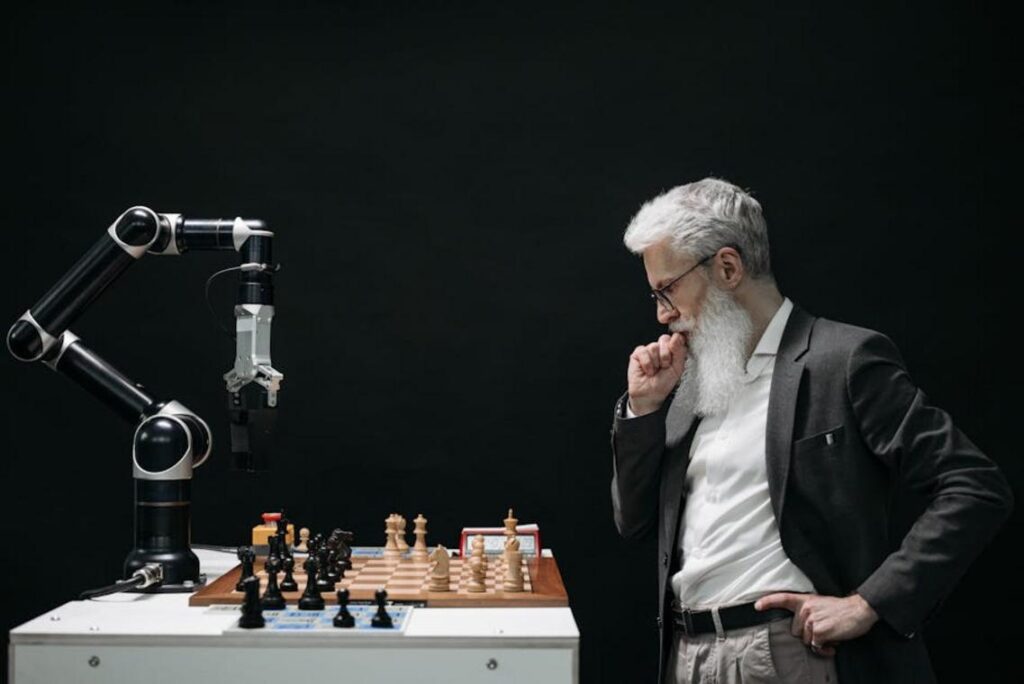
Mechanical skill gets you noticed. Game sense wins championships. This phase is about INTENTIONAL thinking—slowing the chaos down and treating every match like a chess board instead of a highlight reel.
VOD Review System
If you’re not reviewing your gameplay, you’re guessing. A VOD (Video on Demand recording of your match) turns frustration into feedback. After every death or lost round, pause and ask three questions: 1) What was my objective? 2) Why did I fail? 3) What is the optimal alternative play? Maybe your objective was map control, but you peeked alone (main-character syndrome, we’ve all been there). Maybe you failed because you burned a cooldown too early. The optimal alternative might’ve been patience or repositioning. This simple framework transforms losses into data—like turning a Marvel “snap” moment into a multiverse of better outcomes.
Pro Gameplay Deconstruction
Watching pros shouldn’t feel like bingeing Netflix. Study them actively. Focus on positioning during low-action moments, cooldown timing, and how they rotate before fights break out. Notice how often they disengage instead of forcing plays. In high-level esports training routine sessions, players rehearse these quiet decisions repeatedly. The flashy plays go viral; the subtle setups win tournaments.
Meta Analysis & Theorycrafting
The meta (most effective tactics available) shifts with every patch. Read patch notes like they’re breaking news. Use stats sites to track win rates and scan forums for emerging strategies. Some argue copying the meta kills creativity. But understanding it first lets you break it intelligently. Innovate with context—not chaos.
Phase 3: Conditioning for Peak Performance
Mental Fortitude & Tilt Control (100 words)
High-level competition isn’t lost on mechanics alone—it’s lost in moments of emotional drift. Tilt (a state of frustration that disrupts decision-making) has measurable consequences: studies in cognitive psychology show stress can reduce working memory capacity by up to 20% (American Psychological Association). That’s the difference between clutch and collapse. Controlled breathing—inhale four seconds, hold four, exhale six—activates the parasympathetic nervous system, lowering heart rate during high-pressure rounds. Between matches, implement a two-minute mental reset: stand up, hydrate, avoid screens. Pro teams treat mindset like aim drills because CONSISTENCY wins tournaments. (Even the calmest pros have breaking points.) Pro tip: track emotional triggers in a journal.
Physical Health & Ergonomics (75 words)
Reaction time isn’t just talent—it’s biology. Research in Frontiers in Physiology links dehydration to slower cognitive processing and reduced attention. Even 1–2% fluid loss matters. Proper posture (neutral spine, elbows at 90 degrees) prevents repetitive strain injuries that sideline careers. Add wrist extensions and finger flexor stretches between queues. Sleep remains non-negotiable; less than seven hours impairs reaction speed comparable to mild alcohol intoxication (CDC). Your body IS hardware—maintain it like elite gear.
Structured Practice Schedule (75 words)
An effective esports training routine follows time-blocking principles used in traditional athletics. Example weekly template:
- 60 min mechanical drills (aim trainers, movement reps)
- 45 min VOD review (identify positioning errors)
- 2–3 hrs team scrims (communication focus)
- 30 min physical conditioning
- 1 full rest day
Deliberate practice—defined as focused, feedback-driven repetition—outperforms casual grinding (Anders Ericsson’s performance research). Rest isn’t laziness; it’s adaptation. Train smart, not endless.
To maximize your potential in esports, consider incorporating insights from recent competitions, such as those highlighted in our article on ‘Game Event Undergrowthgameline,’ which showcases effective strategies and training techniques.
Executing Your Path to the Pro Ranks
You came here looking for a real path forward—and now you have it. This three-phase blueprint is more than theory; it’s a structured, repeatable esports training routine designed to break plateaus and build elite performance.
If you’ve been stuck at the same rank, grinding hours without results, you already know the frustration. More games alone won’t fix it. Structure will. When you deliberately sharpen mechanics, layer in strategic depth, and reinforce everything with mental and physical discipline, progress stops being random—and starts becoming inevitable.
But don’t overwhelm yourself trying to do everything at once. Start small. Commit to just one Phase 1 drill for the next seven days and track your results.
Thousands of competitive players rely on structured systems like this to climb smarter, not longer. If you’re serious about reaching the next tier, take the first step today. Open your training plan, choose your drill, and begin. Your breakthrough starts now.