
If you’re searching for a clear breakdown of today’s most impactful trends in gaming—from evolving mechanics to competitive strategies—you’re in the right place. The industry moves fast, and staying ahead means understanding not just what’s popular, but why it works. This article explores the systems, strategies, and gear choices shaping modern play, with a sharp focus on how mechanics like RPG progression systems influence player engagement, balance, and long-term retention.
We analyze current esports strategies, optimization techniques, and design trends using gameplay data, competitive insights, and hands-on testing across multiple titles. Instead of surface-level commentary, you’ll get practical explanations of how mechanics function, how metas develop, and how to adapt effectively.
Whether you’re a competitive player refining your edge or a dedicated gamer curious about deeper design structures, this guide is built to deliver focused, trustworthy insights that align directly with what you’re looking to understand—and apply—right now.
The Engine of Engagement: What Makes RPG Progression Compelling?
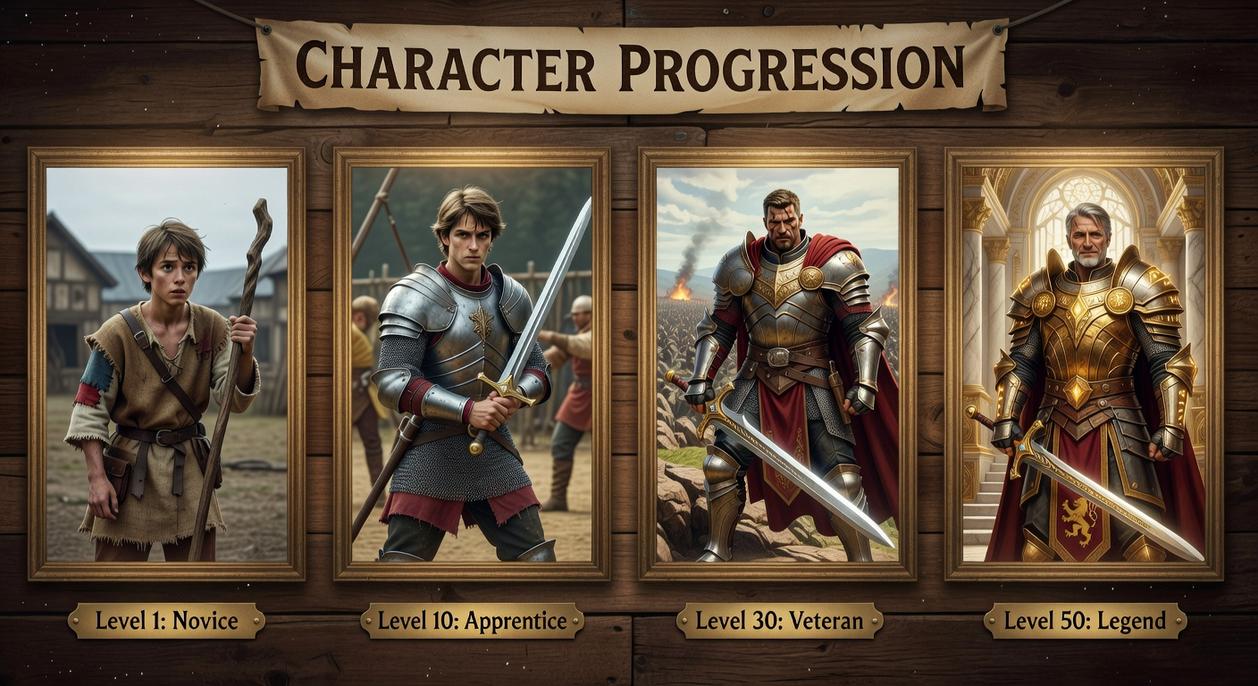
The magic of great RPG is the climb from farmhand to dragon-slaying legend. That transformation is powered by RPG progression systems—the rules that decide how you grow, unlock skills, and flex new stats.
When these mechanics sing, players chase “just one more quest” at 2 a.m. When they flop, it feels like doing chores for imaginary rent money.
We’ll examine level-ups, skill trees, and hybrids, underlining one truth: growth must feel earned, not assigned.
For designers and players alike, understanding this loop means crafting adventures that hook hearts for hours. Depth keeps engagement alive long after credits roll and beyond.
The Classic Climb: Deconstructing Level-Based Progression
At the heart of many RPG progression systems lies a simple loop: earn Experience Points (XP), accumulate enough, and trigger a Level Up. XP is a numerical reward granted for completing tasks—defeating monsters, finishing quests, solving encounters. Once a threshold is reached, your character becomes stronger in measurable ways.
The Reward Loop in Action
Each level delivers a satisfying package: boosted core stats like Strength or Intelligence, increased health, and sometimes new abilities. In Final Fantasy, that meant tougher heroes ready for the next dungeon tier. In World of Warcraft, leveling unlocked talent points and new spells, reinforcing a steady power curve (Blizzard Entertainment, 2004). Even Dungeons & Dragons formalized this structure decades earlier, codifying XP thresholds in its rulebooks (Gygax & Arneson, 1974).
The upside? Clarity. Players always know what they’re working toward. That visible progress bar is psychologically powerful (yes, it’s basically gamified homework—but fun). The downside is linearity. Predictable stat bumps can reduce experimentation and encourage “XP grinding” over immersion.
Recommendation: Choose level-based systems if you value structured growth and clear milestones. But pace your progression—prioritize meaningful quests over repetitive farming. Pro tip: designers should tie XP rewards to varied playstyles, not just combat, to keep advancement engaging rather than mechanical.
Mastery Through Action: The Freedom of Skill-Based Systems
At the heart of many beloved RPG progression systems lies a simple philosophy: practice makes perfect. Swing a sword often enough, and your Swords skill increases. Cast fireballs repeatedly, and Destruction magic grows stronger. This “use-based advancement” system—where skills improve through repeated application—creates a tight feedback loop between action and growth.
Consider The Elder Scrolls V: Skyrim. Every action contributes to skill experience, and according to Bethesda’s published player data, millions of characters developed wildly different builds despite starting identically. Likewise, RuneScape has sustained over 300 million accounts since launch (Jagex), largely due to its granular skill training system that rewards time and specialization.
Why does this work so well?
- Agency: Players shape characters organically based on actual playstyle.
- Immersion: Growth mirrors behavior (you get better because you did the thing).
- Replayability: Different actions lead to entirely new builds.
Critics argue these systems can feel directionless. Without clear classes, some players feel lost (and yes, staring at a skill list for 20 minutes counts). Balancing is also complex; dominant strategies can emerge.
Yet evidence suggests players value autonomy over rigidity. Open-ended systems consistently drive replay value—similar to principles discussed in how roguelike mechanics create replay value.
When mastery reflects action, freedom follows. (And freedom, in games, is power.)
The Modern Synthesis: How Hybrid Systems Offer Structured Choice
For years, players debated level-based versus skill-based design. Today, most major titles blend both. In other words, modern RPG progression systems aim to give you structure and freedom.
So how does that work in practice?
First, you gain levels that increase base stats like health or damage. That’s the reliable sense of growth—the classic “ding” moment (still weirdly satisfying, even after hundreds of hours). Then, instead of locking you into a preset class path, the game awards skill points. These points are spent in branching trees that shape how you actually play.
Take The Witcher 3. Geralt’s level determines raw power and quest eligibility, but skill points define whether he’s a potion-focused alchemist, a fast-attack specialist, or a sign-casting hybrid. Meanwhile, Diablo IV pushes customization further with its sprawling Paragon Board, an endgame system of interconnected nodes that refine stats and unlock niche bonuses. Two level 100 characters can feel completely different.
Some critics argue hybrids overcomplicate things. And yes, poorly designed trees can create analysis paralysis. However, when balanced well, this model solves a real problem: players want guidance without feeling railroaded.
Ultimately, that balance is why hybrid systems dominate today’s RPG landscape.
Beyond Experience Points: Alternative and Item-Centric Advancement
Traditional RPG progression systems revolve around earning experience points to increase base stats. However, some of the most compelling designs flip that formula entirely.
Gear as Power shifts progression almost exclusively to equipment. In Monster Hunter, for example, your hunter’s raw stats matter far less than the armor set and weapon you craft. The loop is simple: hunt monsters, gather materials, forge stronger gear, then challenge tougher beasts. If you enjoy tangible upgrades you can see and feel immediately, start here. Prioritize learning crafting trees early (pro tip: target versatile sets before niche builds).
Meanwhile, Narrative Progression ties growth to story breakthroughs rather than combat. In Disco Elysium, internal thoughts unlock new dialogue paths and character facets. If you prefer role-playing depth over damage numbers, choose games that reward curiosity and conversation.
Finally, Reputation and Factions embed advancement into social systems. In Fallout: New Vegas, siding with specific groups unlocks vendors, perks, and questlines. Your standing—essentially social capital—becomes your power source. If you like meaningful choices with consequences, lean into faction-driven titles.
In short, decide what motivates you:
- Loot mastery
- Story evolution
- Social influence
Then play accordingly (because grinding boars isn’t for everyone).
Crafting the Perfect Player Journey
We’ve dissected the core frameworks behind RPG progression systems, but here’s how to use that knowledge.
The mechanic you choose shapes everything: pacing, stakes, even emotional payoff.
If you’re designing, ask:
- Does leveling reinforce fantasy?
- Are choices meaningful or cosmetic?
- Is experimentation rewarded or punished?
For example, a survival RPG might limit skill points to create tension (think Dark Souls anxiety), while a heroic epic showers players with upgrades to spark momentum.
Pro tip: Map each upgrade to a player emotion.
If you’re playing, notice how growth loops respect your time.
Right systems turn effort into legend.
Understanding RPG progression systems not only enhances your gaming experience but can also shed light on troubleshooting issues like why you might be struggling with audio in your Molldoto2 game on PC – for more details, check out our Why Can’t I Hear My Molldoto2 Game On Pc.
Level Up Your Strategy and Start Winning Smarter
You came here to better understand how modern gaming trends and RPG progression systems shape player performance, long-term engagement, and competitive advantage. Now you have a clearer picture of how smart progression design, optimized builds, and strategic gear choices directly impact your results.
The reality is this: falling behind in today’s gaming landscape usually isn’t about skill alone. It’s about inefficient progression paths, wasted resources, and missing the subtle mechanics that separate average players from top performers. When you understand how systems work beneath the surface, you stop grinding blindly and start progressing intentionally.
The good news? You don’t have to figure it all out on your own.
If you’re serious about optimizing your builds, mastering progression mechanics, and staying ahead of evolving metas, now’s the time to act. Dive deeper into our expert breakdowns, apply these strategies to your current loadouts, and refine your approach today. We’re trusted by dedicated gamers who want real, actionable insights—not recycled advice.
Don’t let inefficient progression hold you back. Upgrade your strategy, sharpen your edge, and start dominating your game now.