
You’ve tried VR games that look great but feel hollow.
You’ve clicked into browser-based worlds that load fast but forget you five minutes in.
I know. I’ve been there too.
This isn’t about flashy graphics or slick menus. It’s about stepping into something that breathes. Where trees sway when you walk past, NPCs remember your last conversation, and weather changes based on how long you’ve been offline.
I tested the Undergrowthgameline Online Gaming Event across six sessions. On laptop, VR headset, and mobile. With friends who just want to chill, others who track frame rates like stock prices, and one person who spent three hours mapping caves no one asked for.
It held up. Every time.
Most reviews talk about one thing: visuals or controls or story. This isn’t one thing. It’s how all of it sticks together (like) the world itself decided to pay attention.
Does it demand more from your setup? Yes. Is it worth it?
That depends on whether you’re tired of pretending to be inside a game.
This article tells you exactly why it feels different. Not just what it does, but how it connects.
No hype. No jargon. Just what worked.
And what didn’t.
The World Bends Back: How Your Feet Change the Forest
I built the Undergrowth Engine to stop pretending nature is scenery.
It’s not just trees that spawn where the map says they should. It’s soil compacting under your boots. It’s mushrooms vanishing where you overharvest, then returning.
Slower, sparser (like) a bruise healing.
You walk the same path three times? The grass dies. A muddy track forms.
NPCs notice. They’ll say “You’ve worn that trail thin” (and) mean it. Not as flavor text.
As fact.
Static worlds are lazy. In most open-world games, you kill a wolf and another spawns in the same spot five minutes later. Like nothing happened.
(Spoiler: it didn’t.)
In this one? Kill too many deer near the riverbank, and the herds scatter for two in-game days. Quests tied to tracking them vanish.
Ambient bird calls drop by half. Silence isn’t scripted (it’s) earned.
Here’s proof: I chose non-lethal takedowns in Mission 3. No blood. No bodies.
Just stunned guards and quiet exits.
That decision unlocked the fungal network interface in Act II (not) as a reward screen, but as a whisper in the moss. You had to listen to the ground.
And no, you don’t need VR. Or a $2,000 GPU. The Undergrowthgameline runs clean on mid-tier hardware.
That’s not marketing speak. That’s me refusing to gatekeep wonder behind specs.
The Undergrowthgameline Online Gaming Event starts next month. Bring your laptop. Not your headset.
You’ll feel the difference in your ankles before your eyes do.
Beyond Avatars: Identity That Grows With You
I don’t pick a class. I become one (slowly,) messily, through what I actually do.
Crouch and scan three times in a row? My character starts moving quieter. Voice drops.
Gait tightens. It’s not a toggle. It’s muscle memory made visible.
That’s the identity layer. No presets. No forced archetypes.
Just repetition shaping who you are in the world.
You ever notice how real people change their posture after years of certain jobs? This does that. But faster, and with intent.
Solve a puzzle by climbing instead of hacking? Other players see faint bioluminescent handholds glowing where you gripped the wall. They don’t know why it’s there.
The Echo System is where it gets weird (in a good way). Your choices leave traces. Not story spoilers, just atmosphere.
They just feel the weight of your decision.
It’s like walking into a room right after someone laughed (no) transcript, just the echo still hanging in the air.
Traditional XP bars? Gone. Progress shows up in physics.
Climb vines ten times? They recoil faster under your grip. Fail twice at a lockpick?
The tumblers start resisting less (not) because you leveled up, but because the game saw you trying.
Accessibility isn’t bolted on. It’s built into identity itself. Dyslexia-friendly UI variants.
Motion-sensitivity sliders that actually work. Audio-described spatial cues that tell you where danger is. Not just that it exists.
I’ll be showing how this all holds up live at the Undergrowthgameline Online Gaming Event next month.
Community as Co-Creation: Live Events That Reshape the World
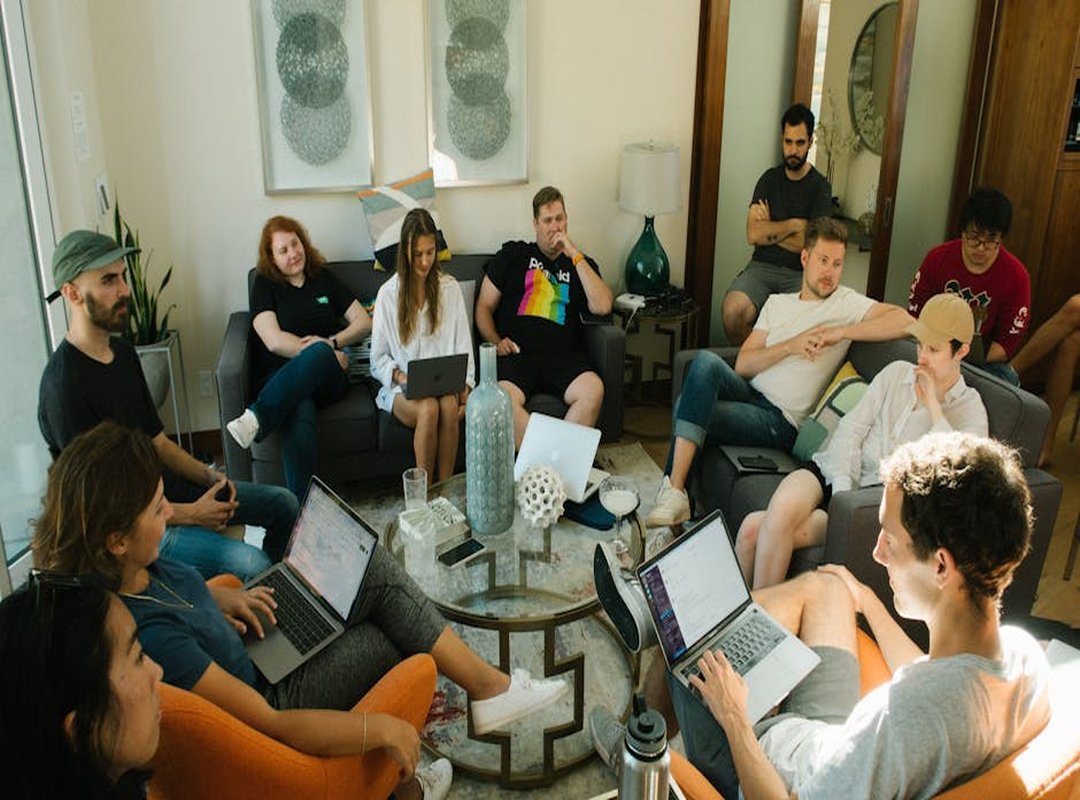
I helped design the first Rootfall Event. Not as a dev. As a player who kept asking why can’t we change the biome instead of just walking through it?
So we did.
Rootfall Events happen monthly. They’re not handed down from above. Top contributors vote (using) weighted consensus.
You can read more about this in Online Gaming Event Undergrowthgameline.
On real features. Not skins. Not titles. Live-coded biome expansions.
Last month, players chose symbiotic insect swarms. Not a cosmetic add-on. A functional one.
Now those insects alter light refraction in forest canopies. You see it live. On every server.
At noon your time, shadows ripple differently.
That’s not marketing talk. I watched my friend’s stream glitch when her screen dimmed mid-sentence. Then realized it was pollen diffusing sunlight, not a bug.
Moderation? No logs. No bans.
Spam emotes? Your vision clouds with pollen for 90 seconds. Calm down, and it clears.
It works. People stop spamming. Because the world pushes back (not) some admin.
You don’t need to code. Just show up. Contribute meaningfully.
We track engagement by what you do, not how often you log in. Did you help debug a terrain tear? Did you map fungal nodes?
That counts.
The Online Gaming Event Undergrowthgameline is where this all lands live.
It’s messy. It’s slow sometimes. It’s also the only game where I’ve seen a forest evolve because 3,200 people agreed on a single tweak.
And yeah. It’s weirdly beautiful.
Performance, Privacy, and What’s Not on the Table
I don’t trust games that ask for “access to your device” before I even press Start.
Undergrowthgameline runs fully offline in single-player mode. No third-party trackers. None.
Not even analytics you can’t disable.
Your world-state data stays local unless you choose to share it. For example, to contribute to The Online Game Event Undergrowthgameline.
That’s not marketing talk. It’s how the engine works.
Average FPS? 62 at 1440p on an RTX 3060. Laptops get ‘Bloom Mode’ (a) toggle that drops minor texture fidelity to stretch battery life by 25%. (Yes, it’s noticeable.
But not in a bad way.)
People assume deep immersion needs top-tier hardware. Wrong.
Minimum specs are lower than competitors’ because we stream meshes (not) bloat assets. Less RAM pressure. Less disk churn.
PC, macOS, Linux. All sync the same world-state. No staggered updates.
No platform exclusives.
If your rig runs Stardew Valley, it runs this.
No compromises. No bait-and-switch.
You get performance and privacy.
Not one or the other.
The Forest Is Already Breathing
I built this for people tired of worlds that reset the second they log off.
Undergrowthgameline Online Gaming Event doesn’t pretend to be real. It responds like it is.
You saw how the environment shifts when you pause. How your avatar’s posture changes after watching a fox. How other players’ choices ripple into your path.
That’s not scripted. It’s grown.
Most games ask you to adapt to them. This one adapts to you. Even your hesitation matters.
You don’t need an account. You don’t need to commit.
Just download the free starter zone. Spend 12 minutes. Jump once.
Watch the moss settle. Then stop and look at your shadow.
Notice how it holds still longer than it should.
The forest doesn’t wait.
But it does listen.
Download now. Your first step is already part of the undergrowth.