We’ve all seen it happen: a highly anticipated game launches a flashy new feature, only for it to fall flat because it completely misses what players actually wanted. The excitement fades, negative reviews pile up, and the community starts to drift away. Too often, developers build in a vacuum, creating a disconnect between their creative vision and the real player experience. The result? Churn, frustration, and wasted potential. This article shows you how to turn player feedback in games into your ultimate power-up, with actionable strategies to build a robust feedback loop that transforms player opinions into measurable, meaningful improvements.
Beyond the Survey: Modern Channels for Player Feedback
By actively incorporating player feedback into their design process, game developers can create more immersive experiences that resonate with audiences, much like the way cross-platform play is evolving to meet diverse gamer preferences and foster community, as explored in our article on ‘The Rise of Cross-Platform Play: Benefits and Challenges.’
Surveys still matter—but if that’s your only listening tool, you’re missing the real conversation.
In-Game Feedback Tools
Integrated, low-friction systems capture insights when emotions are fresh. Built-in bug reporters with screenshot or short video capture reduce vague reports (“it broke”) and replace them with evidence. One-click sentiment polls after a match—think a quick thumbs up/down—measure friction without disrupting flow. Contextual prompts (appearing right after a failed boss attempt, for example) gather precise reactions tied to specific mechanics. Pro tip: keep forms under 30 seconds to complete; longer than that and completion rates drop sharply (Nielsen Norman Group research consistently shows shorter forms convert better).
Community Hubs as Listening Posts
Discord and Reddit function like live focus groups—except they never sleep. Create dedicated feedback channels with clear posting templates. Use bots to auto-tag suggestions (e.g., “UI,” “balance,” “bug”) so trends emerge faster. Engage visibly; silence feels like indifference. Even a short “Noted—investigating” builds trust (and prevents pitchfork moments worthy of a fantasy RPG mob scene).
The Unspoken Feedback – Analytics and Telemetry
Data reveals what players won’t articulate. Heatmaps can expose level bottlenecks or ignored areas. Item usage stats often highlight balance problems—if 80% of players equip the same weapon, that’s not preference; it’s dominance. This behavioral layer complements player feedback in games by grounding opinions in measurable action.
Structured Testing Environments
Alpha tests probe core mechanics—movement, combat loops, progression clarity. Beta and Early Access phases stress-test late-game systems and content pacing. Separating these goals prevents muddy insights and keeps iteration focused.
The Art of the Ask: How to Elicit High-Quality Input
Great feedback doesn’t just happen. It’s designed.
First, understand the difference between quantitative and qualitative data. Quantitative data—surveys, polls, rating scales—tells you what is happening. For example, “62% of players think the new map is too large.” Useful? Absolutely. But it doesn’t tell you why.
That’s where qualitative data comes in. Interviews and open-ended questions reveal motivations and emotions. As one player told a developer, “It’s not the size—it’s that I spend half the match just running.” That single quote explains more than a bar chart ever could.
However, even the best method fails if your questions are biased.
- Bad (leading): “Don’t you think the new sniper rifle is overpowered?”
- Good (neutral): “How has the new sniper rifle impacted your gameplay experience?”
See the difference? One pushes. The other invites.
Next, segment your audience. A new player saying, “I’m overwhelmed,” isn’t the same as a veteran saying, “There’s no depth.” Their needs clash. Separate feedback by cohorts—newcomers, casuals, hardcore competitors—so patterns actually mean something.
Timing also matters. Ask immediately after a feature launch or tough boss fight. Right then, emotions are fresh. As one tester put it after a brutal raid, “I’m frustrated—but in a good way.” Capture that moment.
Of course, some argue that too much player feedback in games leads to design-by-committee. Fair point. But ignoring structured input is worse (remember how some launches spiraled?). Balance is key.
And as mechanics evolve—much like in from pixels to realism the evolution of graphics engines—so should your questions. Ask better, and you’ll get better answers.
From Raw Data to Actionable Roadmap
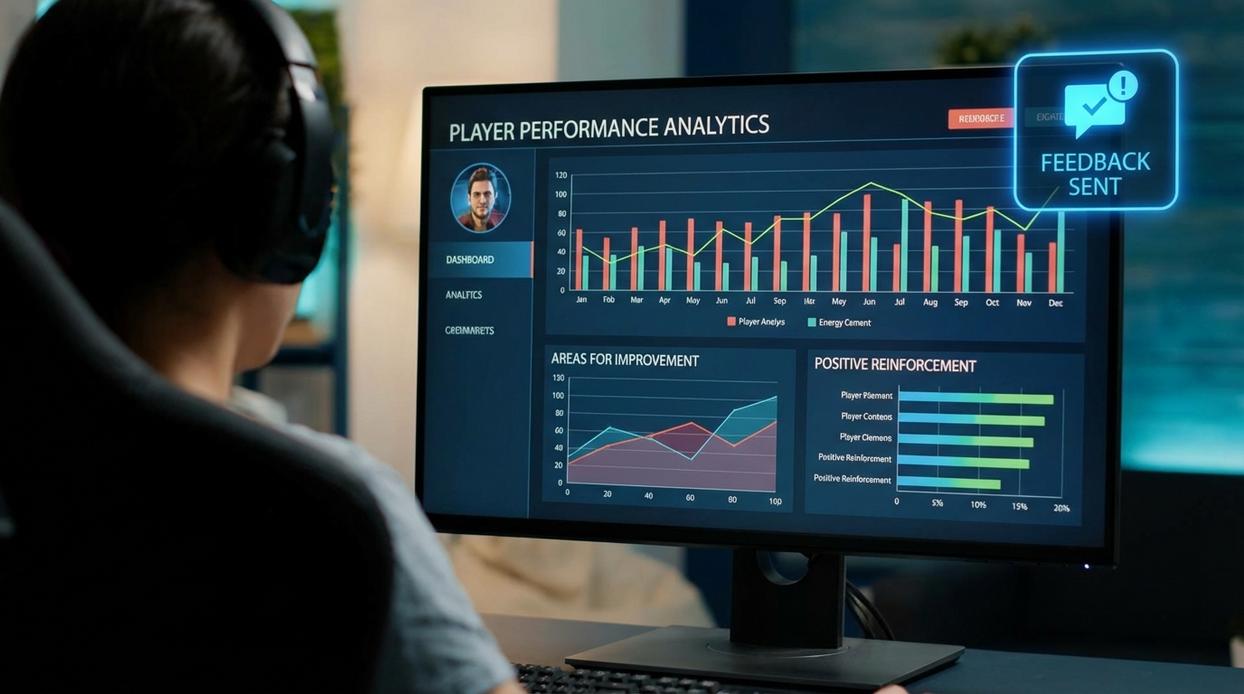
Raw feedback is everywhere—Discord threads, Steam reviews, Reddit posts. Without structure, it’s chaos. The fix? A centralized feedback funnel. Pipe everything into one system—Trello, Jira, or a dedicated tool—so nothing slips through. Teams that centralize task tracking are 25% more productive on average (McKinsey). One board. One truth.
Next comes tagging and categorization. Label each entry by theme:
- UI
- Bug
- Balancing
- QoL
Patterns emerge fast. If 40% of tickets carry the same tag, that’s not random noise—that’s a design signal. Studies on “player feedback in games” show recurring tagged issues are far more predictive of churn than one-off complaints (GameAnalytics).
Now apply the Impact vs. Effort matrix. Plot suggestions into four quadrants:
- Quick Wins (high impact, low effort)
- Major Projects (high impact, high effort)
- Fill-ins (low impact, low effort)
- Time Sinks (low impact, high effort)
Pro tip: Ship a Quick Win every sprint to maintain community trust.
Finally, distinguish signal from noise. A loud Reddit thread might represent 2% of users. Compare feedback against player data—retention, heatmaps, session length. When behavior aligns with complaints, you’ve found a core issue. If not? It may just be the vocal minority (every fandom has one—just ask any MMO balance team).
For deeper workflow structuring, see https://www.atlassian.com/agile/project-management.
Closing the Loop: How to Show Players They’ve Been Heard
The Power of ‘You Said, We Did’ matters because nothing builds goodwill faster than visible action. When patch notes directly reference player feedback in games, you transform complaints into collaboration. Players see their words reflected back, and suddenly updates feel personal (and not like changes dropped from orbit). Some argue this invites entitlement. Fair. But transparency sets expectations, not chaos.
Meanwhile, developer diaries and blogs let you explain trade-offs. Share why one suggestion shipped and another stalled due to balance, budget, or tech limits. Citing industry surveys showing 70% of players value communication from studios (ESA, 2023) reinforces the point. What’s next? Consider publishing quarterly roadmaps to keep momentum.
Finally, add in-game recognition: exclusive titles, small cosmetics, even a thank-you credit. Pro tip: spotlight bug hunters during seasonal events. Recognition today fuels smarter feedback tomorrow. Keep listening, then iterate publicly.
Evolving Your Game with Your Community
You started this journey looking for a smarter way to grow your game—and now you’ve seen how moving from raw data collection to a truly player-centric development culture changes everything. Instead of guessing what your audience wants, you’re building with clarity and purpose.
Developing without a direct line to your players is like navigating without a map. It drains time, budget, and morale. Features miss the mark. Retention drops. Updates feel reactive instead of strategic.
That’s why structured player feedback in games is so powerful. A consistent feedback loop de-risks development decisions, strengthens retention, and turns your community into active collaborators. When players feel heard, they invest more time, energy, and loyalty into your world.
Now it’s your move. In your next development sprint, implement one new feedback channel or analysis method from this guide. Start small—but start. The studios that win are the ones that listen, iterate, and evolve with their community.